This yacht safety guide covers the essential checks and precautions every sailor should follow before heading out to sea, including vessel inspections, navigation systems, emergency equipment, weather planning, and onboard safety procedures. Whether you own a yacht or plan to rent one in Dubai, these practical boating safety tips help ensure a smoother, safer, and more enjoyable experience on the water.
Sailing a yacht creates memories that will stay with you forever, but as beautiful as it sounds, the sea shouldn’t be taken lightly. That is why it is very important to first establish safety measures before you start sailing and feeling the ocean breeze.
The complete safety procedure begins with vessel inspections, navigation tests and continues to the lifesaving equipment and weather forecasts which ensure your travel adventures are safe and enjoyable for all onboard.
Why Does Yacht Safety Matter?
Yacht boarding brings you into a space which can experience fast-changing environmental conditions. At sea you must be ready to handle equipment failures and weather changes and emergency situations because they might occur.
The habit of practicing safety enables people to differentiate between what makes a journey safe and what creates danger during their trip, forming the foundation of responsible yacht safety tips.
What are the best boating safety tips for beginners?
Beginners should check the weather, wear life jackets, follow safety briefings, and learn basic boating rules before sailing and following is your step by step guide.
1. Start With a Thorough Pre-Departure Vessel Inspection
Your security procedures begin with the inspection of the boat.
The hull and exterior should be examined for any signs of damage which include cracks and soft spots and wear.
Inspect the security and operational status of all lines, anchors and rigging equipment.
The bilge pumps need to be checked for operation because they must remain clean and dry while undergoing automatic testing.
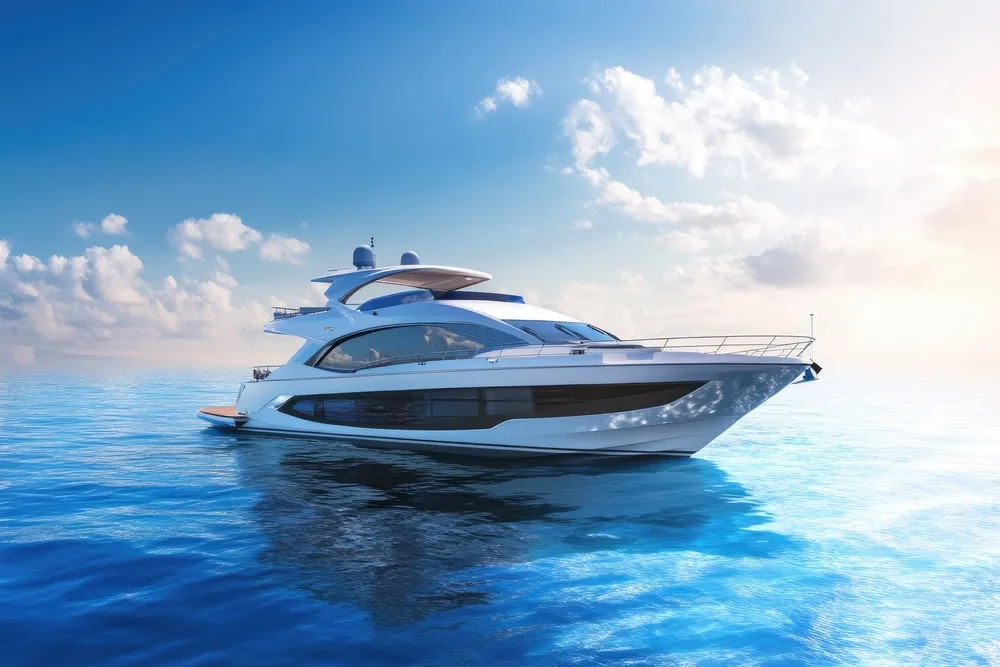
The visual assessment enables early detection of problems which include loose rigging and worn deck fittings that need fixing before the ship sets sail and clearly shows how to keep your yacht safe before departure.
2. Test Navigation and Communication Systems
Yachts depend on modern electronic systems for their operations but these systems require operational status before they can deliver benefits.
The navigation devices, which include GPS, chart plotters, compasses and radars, need to be both updated and properly calibrated.
VHF radio systems require testing to confirm their functionality before beginning operations at sea.
Your EPIRB and personal locator beacons need to be checked for registration status, while their battery power needs to be verified as operational.
The systems serve as essential sea navigation points which assist you in reaching safe rescue locations, forming part of a reliable yacht safety guide for owners.
3. Update Safety Equipment and Emergency Gear
Basic safety equipment has become mandatory according to both regulators and experienced mariners who consider it essential for all seafarers.
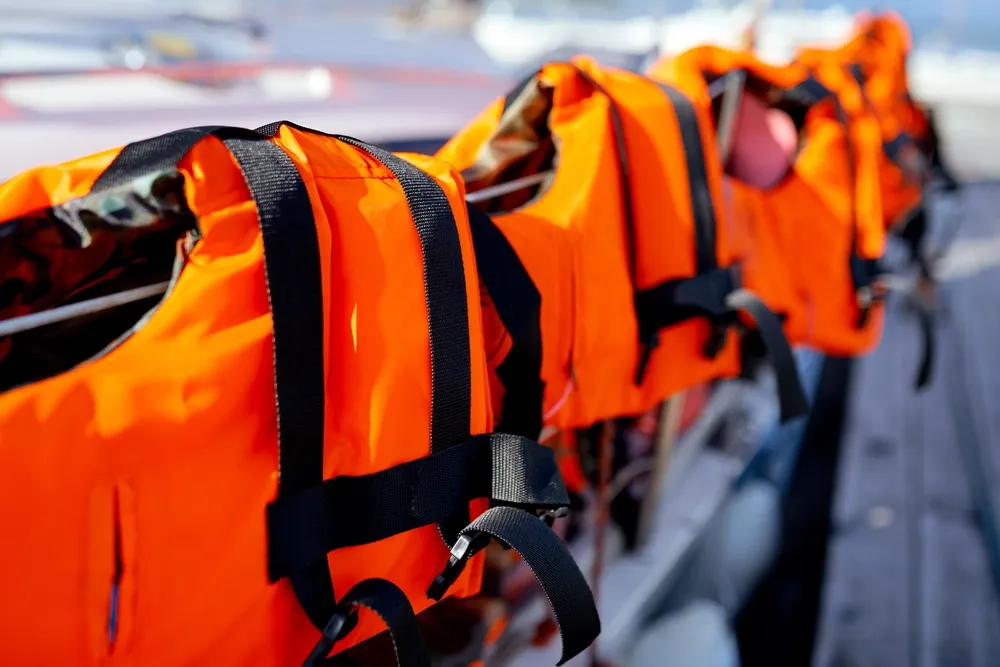
One life jacket needs to be provided for every person on board, which should be designed for quick access.
The emergency kit includes flares and signalling tools, which must be stored dry and in accessible locations for emergencies.
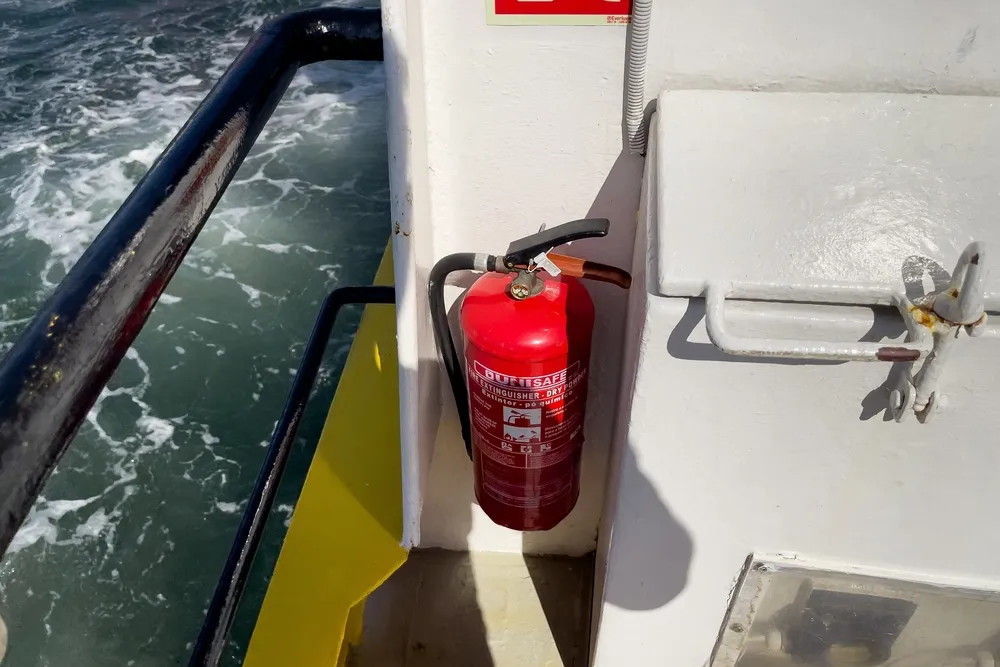
The equipment includes fire extinguishers and first aid kits, which must remain ready for use after proper maintenance work has been done.
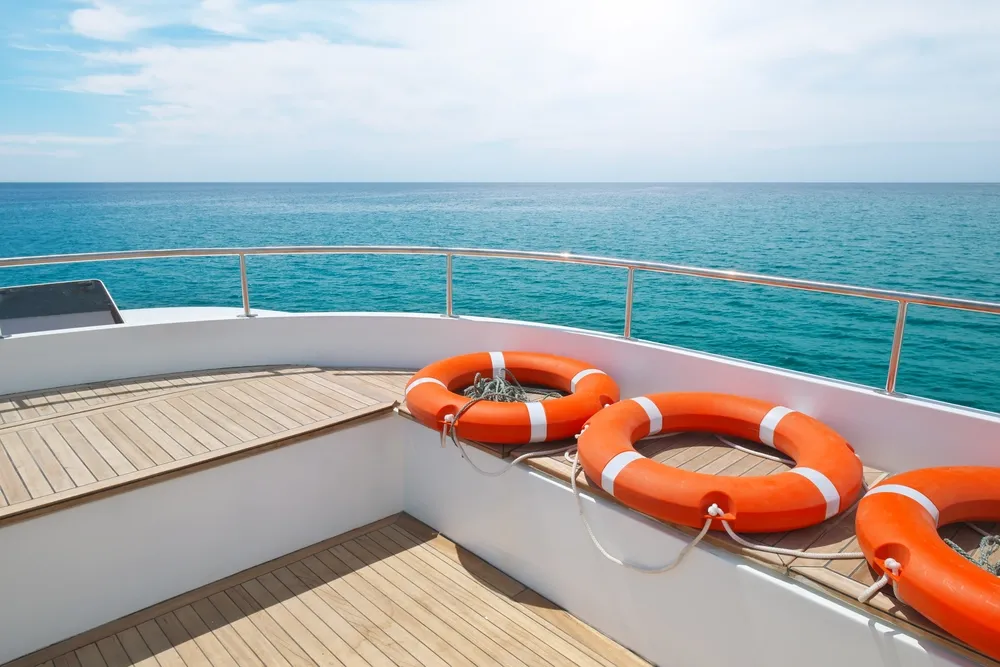
The emergency checklist, which includes life jackets, throwables, signalling devices and medical supplies, ensures better survival chances during critical situations and reflects essential yacht safety measures.
4. Double-Check Your Fuel, Fluids, and Engine Health
You should always have an extra fuel supply and a dependable engine function when you begin your journey.
The fuel system needs to be filled to capacity, while reserves must be calculated for the upcoming journey as well as additional emergency needs.
The coolant system needs oil, coolant and transmission fluids to be checked.
The batteries must be completely charged, while all terminals must be maintained in a clean state.
Engine failure represents the primary cause of distress calls at sea, which makes this inspection process essential for engine protection.
5. Weather and Route Planning Can’t Be Skipped
Marine environments undergo rapid transformations. You must check weather conditions through trustworthy sources before leaving and continuously monitor them during your journey. You need to establish your travel route through waypoints and emergency anchor points while sharing your float plan with someone who will remain on land.
Unexpected weather events at sea pose a major threat when sailors lack proper preparation, reinforcing the importance of following a yacht safety checklist consistently.
6. Brief Your Crew and Guests
A safety briefing creates significant benefits which extend beyond the casual atmosphere on board:
- The life jacket storage locations and usage methods
- The life-saving procedure for a person who falls overboard
- The procedure for using emergency equipment and communication systems
Also it is very important to maintain composure during emergencies.
7. Secure All Loose Gear and Interior Items
Any loose items on your yacht create a hazardous situation for all who are present.
Walk through the vessel and:
- All loose tools, cookware, and equipment need to be properly stored
- All hatches and cabinets must be closed and locked to prevent access
- Secure all exterior items, which include paddleboards and cushions, through proper tie-down methods
All stowed items should be organised properly to maintain boat equilibrium while securing everything during extreme sea conditions. If you own your own yacht, read these key maintenance tips.
Safety Isn’t a Optional - It’s Necessary
All experienced crew members follow this principle: ongoing safety assessments enable them to navigate sailboats without danger. The main purpose of this process requires active participation to prevent harm while letting you experience comprehensive safety on your excursion using a reliable yacht safety checklist.
Why Expert Yacht Assistance Adds Value?
Expert support helps boaters who plan yacht trips for special occasions to improve their safety and ease travel. Beno provides assistance through these services, particularly for travellers looking to rent a yacht Dubai with confidence and proper preparation.
Beno’s personalized yachting services help you go beyond checklists and fully prepare your voyage. Beno offers private charters, safety briefings and itinerary support as part of our flexible service system which helps customers balance their travel preparations and completely enjoy your sailing time.
FAQs
- What boating safety equipment is required on a boat?
Life jackets, fire extinguishers, first aid kits, flares, VHF radios, and navigation lights are essential onboard.
- How far in advance should I prepare my yacht before departure?
The team should initiate their checks one day before the scheduled trip while they conduct their quick inspections on the actual day of departure. Pre-sail safety routines are mandatory for boaters who want to secure their safety before heading out.
- What’s a float plan and why is it important?
A float plan contains your complete navigation plan with timing details and contact information. This process helps emergency responders locate you more efficiently during dangerous situations.
- What are the top 10 boating safety tips?
Wear life jackets, check weather conditions, inspect the boat, test navigation systems, carry emergency gear, monitor fuel levels, secure loose items, follow navigation rules, brief passengers on safety procedures, and avoid overloading the vessel.







 Or drop us a mail at help@beno.com