The different types of radar cameras in Dubai including AI-powered radars to red light cameras, driving rules and camera fines in Dubai are important to understand for hitch-free driving in the UAE.
Dubai is a global pace-setter in all regards. Building world-class infrastructure with the right technology to power it is something only a nation particular about growth and improving the quality of life will provide. Traffic monitoring in Dubai has gone beyond just the regular systems and traditional speed radar cameras ensuring traffic law compliance. Now the country is efficiently monitoring traffic with sophisticated cutting-edge AI radar cameras.
In this piece, we will explore some of the technologies the city employs to effectively manage traffic. Let’s dive right into the different types of traffic cameras in Dubai.
What are the Driving Rules in Dubai?
The driving rules in Dubai are held by certain core pillars. These pillars are: a 0.0% blood alcohol limit, mandatory seatbelts for all passengers, and a ban on using a mobile phone unless using a hands-free device.
The other rules are spread evenly across these broad categories:
Speed Limit and Fines: All drivers must adhere strictly to the UAE’s highway and residential road speed limits which are: 100–120 km/h and 40–80 km/h respectively.
General Road Etiquette: This involves adhering to Dubai’s right-hand driving system, overtaking on the left, abstaining from turning right on a red light and ensuring that children under the age of 12 must ride in the backseat.
Documentation and Requirements: All drivers must hold their valid UAE driver’s license.
Parking Zones: RTA (Roads and Transport Authority) manages all streetside and underground parking. Ensure to pay for parking space to designated authority at the appropriate time. Also endeavor to steer clear of prohibited zones.
Types of Radar Cameras in Dubai
Standard Speed Cameras
These types are the most commonly used in the city and they track vehicle speeds and capture images of those exceeding the speed limit for that particular road. They’re often placed on major highways and roads. Anyone found guilty of violating traffic laws on these roads will pay the Dubai speed camera fine that starts around AED 300 and may even receive black points or have their vehicles impounded.
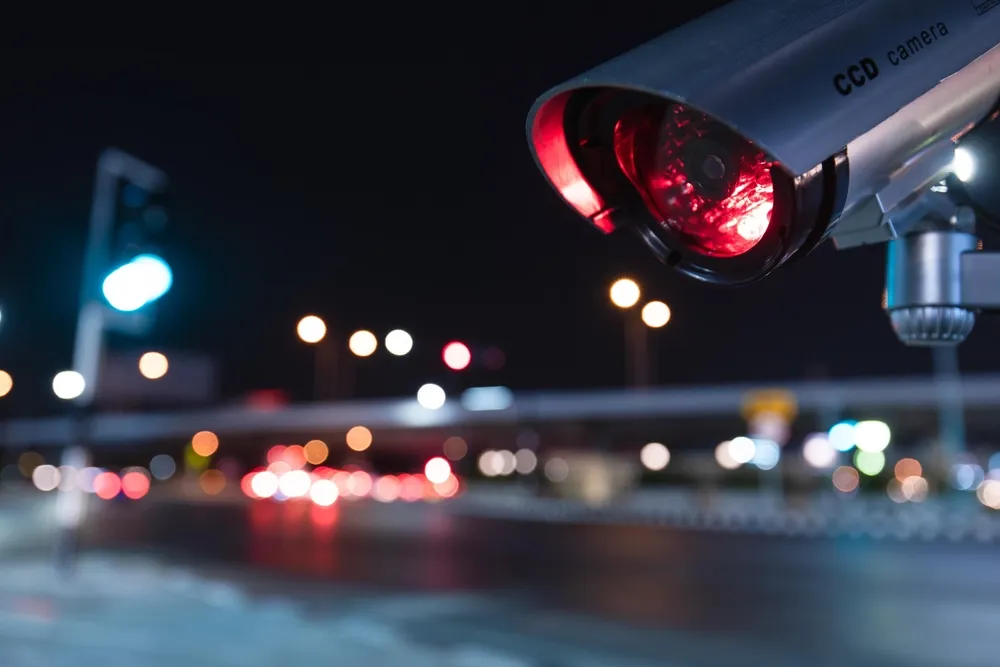
The speed cameras are installed in strategic locations on Sheikh Zayed Road, Al Khail Road, and Mohammed Bin Zayed Road. They use laser or radar technology to estimate the vehicle’s speed. It is important to know the speed limits on the roads you drive on and the maximum permitted speed, so you can conveniently avoid any penalties.
Red Light Cameras
As the name implies, these cameras are installed at intersections to capture those who run red lights. They use infrared technology to monitor and capture violators. Equipped with motion sensors and induction loops embedded in the roads, they capture violations without visible flashes. Most of these Dubai radar cameras are also equipped to record high-definition videos of traffic violations.
They’re difficult to take note of at first glance, so it’s highly advised that you drive with caution on these roads. Violators face hefty penalties including fines, black points, and possible vehicle impoundment.
Hi-Tech Speed Cameras
One of the advanced additions to Dubai radar cameras is the hi-tech speed camera such as the Mesta Fusion. They are capable of detecting multiple violations including abrupt lane changes, sudden swerves, jumping queues at intersections and other traffic violations. It also records short quality video clips of the violations. These cameras have been in use in Dubai since 2013 according to a report by DubaiCars.
AI-Powered Radar Cameras
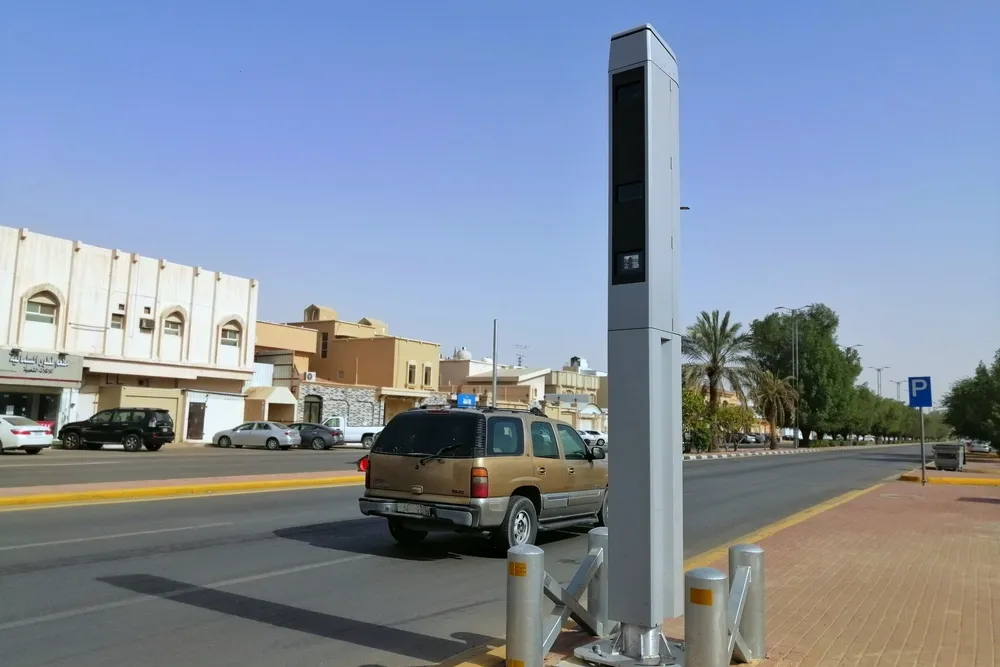
This is one of the latest additions for traffic monitoring in the city. It was introduced in March 2025 and can detect a wide range of traffic violations such as exceeding speed limits, running red lights, tailgating, use of phones while driving, not wearing a seatbelt, driving against traffic, and a number of other violations. Most of the violations carry heavy penalties ranging from monetary fines to black points on licenses, and vehicle impounding.
Armor-Plated Speed Cameras
Built to resist damage and interference, these heavy-duty, trailer-mounted units were engineered by technology teams in Germany and France. Capable of capturing speeding vehicles from multiple angles, they also identify a range of other traffic offenses, including improper lane changes, illegal shoulder overtaking, and driving too closely behind another vehicle.
Dedicated Lane Cameras for Buses & Taxis
Specifically designed to enforce lanes set aside for public transportation, these cameras use number plate recognition and vehicle classification systems to automatically identify any private or unauthorized vehicles that enter restricted lanes. They are particularly active in busy urban zones like Al Rigga, Mankhool, and Al Ghubaiba. Drivers caught violating these lane restrictions face a fine of AED 600.
Surveillance & Automated Number Plate Recognition (ANPR) Cameras
Rather than issuing penalties on the spot, these cameras are primarily deployed for observation and data gathering purposes. Every vehicle passing through a monitored point is recorded, and its number plate is checked against databases maintained by the RTA and Dubai Police. Although fines may not be issued immediately, any flagged vehicle could be pulled over at a subsequent police checkpoint.
Beyond general monitoring, these systems play a key role in locating stolen vehicles, identifying drivers with unpaid fines, tracking Salik toll violations, and verifying that vehicles are properly registered. Feeds from these cameras are continuously reviewed by traffic control centers. One of the most recognized installations of this kind can be found along Sheikh Zayed Road, in the vicinity of the World Trade Center.
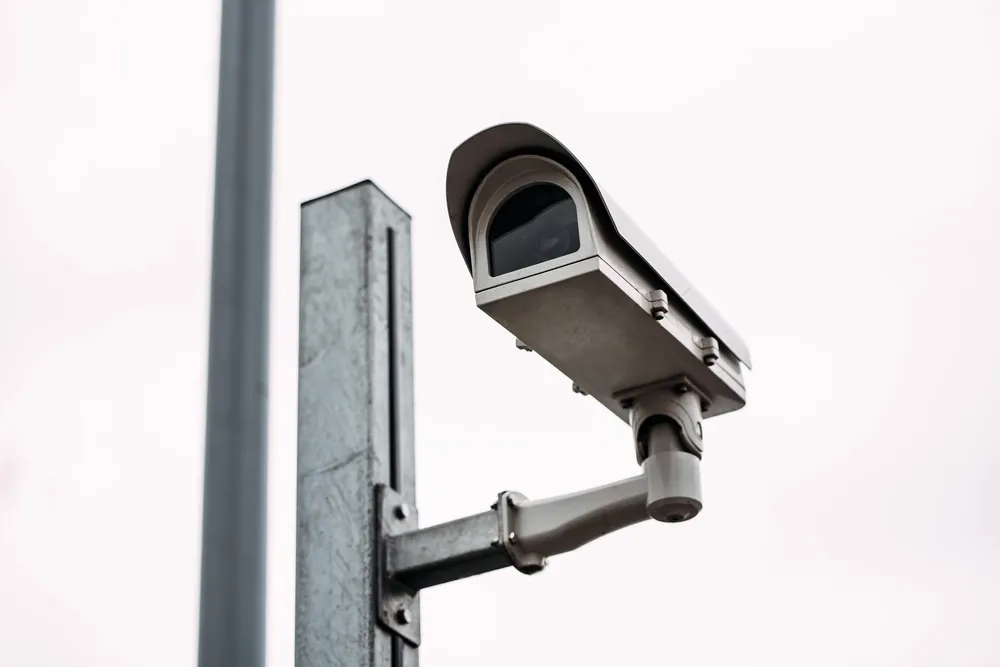
Car Rental for Daily Commutes from BENO
Driving around the city is one of the safest and most convenient means of transportation. You can do things at your pace, visit distant locations, and enjoy the city better.
A daily car rental in Dubai helps you navigate the city with ease as a tourist or even a local with a lot of activities to engage in. Beno offers daily, weekly, and even monthly car rentals at affordable rates to get you through everyday smoothly.
As you drive through the city, ensure you obey traffic regulations and keep an eye out for the cameras as they’re always watching to avoid fines, black points, or having your vehicle impounded.
FAQs
- What's the fine for speeding in Dubai?
Fines for speed limit violations can range from AED 300 to AED 3,000.
- How to see traffic fines in Dubai?
There are three major ways to see traffic fines in Dubai: Online Portals, Mobile apps and an in-person service. For most people, checking the online portals through the official Dubai portal is a lot more straightforward and is much popular in Dubai.
- What is the camera fine in Dubai?
Camera fines in Dubai range from AED 300 to AED 3,000. But the precise amount depends on the exact traffic violation that is recorded by the city’s AI-powered radars.
- How to get a 50% discount on traffic fines?
You can only get a 50% discount on traffic fines if you pay within a specified timeframe but this will depend entirely on your jurisdiction. The Government can also roll out incentives to encourage early payment where you can get the opportunity to unlock 50% discounts.

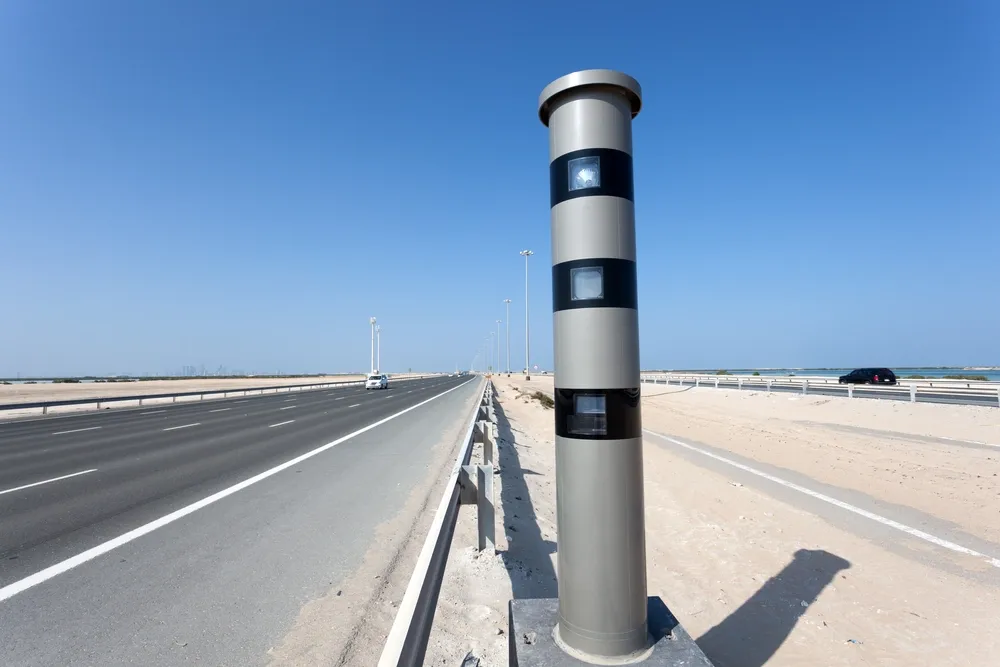







 Or drop us a mail at help@beno.com