In the UAE, even a small sticker on your car can trigger daily fines if it hasn’t been officially approved by the relevant authority, making car sticker fines in UAE a growing concern for motorists. From decorative decals and slogans to business branding and promotional graphics, unauthorised stickers are treated as traffic violations under federal law. What many drivers don’t realise is that these fines are not one-off penalties; they can accumulate daily if the sticker remains on the vehicle.
The guide shows how actual car sticker rules function in real-life situations while addressing car sticker fines in UAE. The Federal authorities treat all unauthorised stickers as traffic violations because these stickers contain both decorative elements and business branding and promotional graphics. The driver feels certain about facing one penalty, yet he must deal with multiple penalties because the sticker remains attached to his car.
The Common Mistake Most Drivers Make
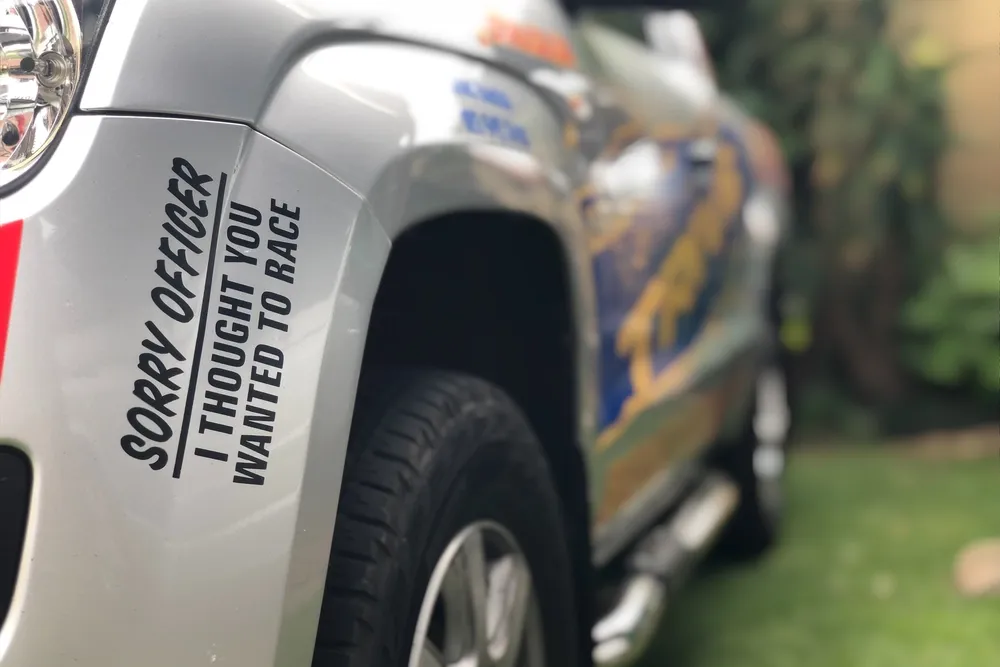
Many drivers believe that car sticker rules exist as advertising regulations which control commercial advertising. They believe that personal stickers, which include quotes and symbols, flags and minimalistic designs and are humour-based, pose no danger to others. Enforcement actually covers all available stickers because it does not establish any distinctions based on sticker type or user intention, leading to sticker fines in UAE.
Authorities make a determination about the sticker's status according to its political, promotional, decorative or personal nature. The vehicle violation occurs when someone uses the sticker without getting official permission. The law applies to all vehicle types, which include personal vehicles, company cars, rental vehicles and second-hand vehicles.
Why the UAE Takes Stickers Seriously
The UAE establishes strict regulations for vehicle customisation according to its public infrastructure standards. Every car on the road must remain easily identifiable, visually neutral, and non-distracting. The requirement exists to protect safety and security while allowing full operational capacity without decreasing personal expression rights.
Stickers become a concern when:
- Number plate recognition systems stop working because of their presence.
- Windows and windscreen, which they cover, lose their ability to show clear views.
- High-speed situations create visual distractions because of their existence.
- Drivers see messages which display political content, offensive content or promotional content.
The UAE uses automated monitoring systems, which include speed cameras, parking sensors and AI-based traffic management systems to maintain control. Sticker designs which create partial visibility issues reduce the effectiveness of enforcement operations. The strict compliance with regulations leads to continuous enforcement of all regulations throughout the complete process of handling violations.
Stickers on glass surfaces create safety hazards because they make it difficult to see during daytime and night-time conditions. Authorities treat stickers as road safety issues because their presence creates additional dangers.
What Are the Rules for Stickers on Cars?
The legal backbone behind the rule is Federal Traffic Law No. 21 of 1995, which prohibits unauthorised stickers on vehicles. The federal traffic legislation establishes rules which protect vehicle modifications and road safety standards and public behaviour on roads.
The law requires that all exterior or glass surface changes to vehicles must first receive approval from the designated authority. Traffic authorities can impose fines which take effect immediately without issuing warnings when they discover an unauthorised sticker, according to this regulation.
Motorists commonly assume that enforcement requires police proof of their intentions. The law treats all sticker placement situations the same, regardless of whether someone placed it purposefully or forgot it after using the vehicle temporarily or whether someone added it after buying the vehicle. The person operating the vehicle at that moment becomes responsible for all actions until the next driver takes control of the vehicle.
How Fines Escalate Faster Than Expected
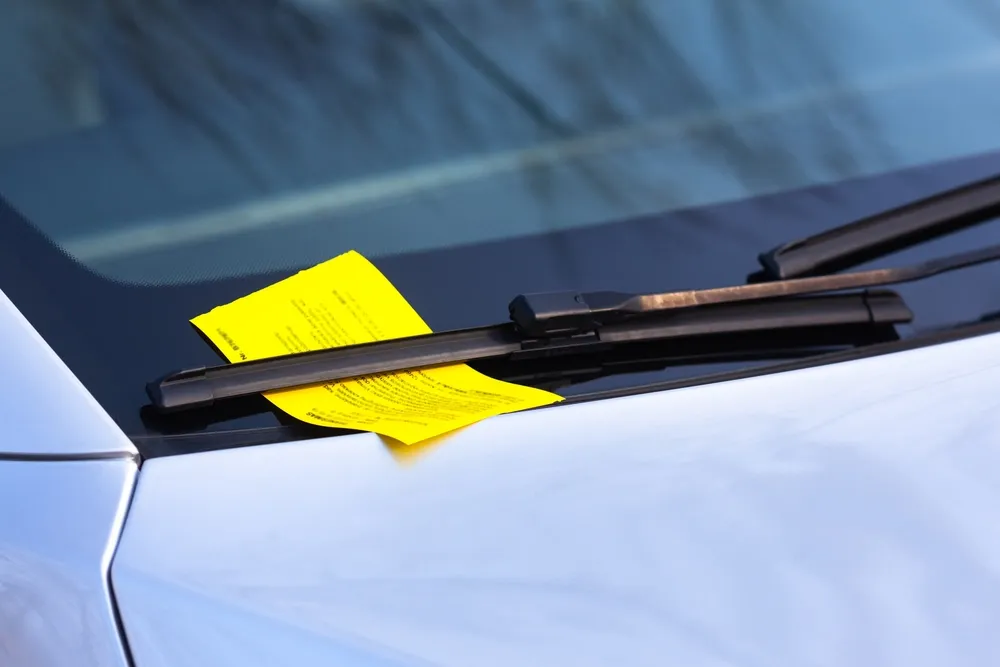
The public holds a mistaken view about how car sticker fines in UAE are calculated. The fine operates as a permanent penalty which only ends once the violation has been resolved.
The violation remains active when the vehicle owner fails to remove the sticker. The same sticker can trigger fines on consecutive days. Drivers who commit multiple traffic violations will face the risk of losing their driving license, black points and in severe situations, even imprisonment.
Is it Legal to Put Stickers on a Car in the UAE?
Every unauthorised sticker creates possible risks, leading to dangerous situations and making it hard to control monitoring, resulting in car sticker fines Dubai. The most important thing to note is that approval isn’t optional, even for personal cars. All personal vehicles require approval for their operations according to existing regulations, thus answering "can I add stickers to my car?"
The law requires all vehicles to undergo branding approval processes, which apply to both commercial fleets and individual drivers of personal vehicles. All decorative stickers, minimalist graphics, symbolic designs and personal slogans need approval from the relevant authority.
Drivers seeking official clarification can refer to transport authority guidelines, such as those issued by Dubai’s Roads and Transport Authority. The law considers all stickers, regardless of size, as violations when people fail to use the established process for their application.
What is the Fine for Car Sticker in UAE?
There is one notable exception where stickers are not only allowed but required. Heavy vehicles must display reflective safety markings on their rear surfaces. The regulations create three elements which define the safety marking system because they establish both universal standards and actual visibility requirements for night-time and low-visibility situations.
All drivers who fail to display reflective stickers face safety violation charges, which result in an AED 500 penalty that matches the penalty for unauthorised decorative stickers. The requirement functions as a fundamental part which prevents truck accidents on highways, while specifically targeting large commercial vehicles.

Enforcement Across the Emirates
The local authorities control the entire approval process while the federal government handles all enforcement operations, including all emirates. A sticker approved in one emirate can only be used in other areas after obtaining approval through all national standards, leading to UAE car sticker fines when compliance is ignored.
Police officers from every emirate have the power to immediately issue fines at any location which has established the same penalties for all offences.
To Conclude,
The vehicle sticker law applies to all car owners who make modifications to their vehicles. Drivers must comply with the rules established for both rented vehicles and used vehicles throughout their entire time as operators.
Beno guarantees that its entire vehicle fleet meets all road regulations in the UAE by prohibiting any unauthorised decals or visual changes which could lead to unnecessary driver penalties. Beno creates safe driving spaces which enable drivers to move about their vehicles without difficulties.
FAQs
- Is a small sticker still considered a violation?
Yes. The sticker size does not change the violation status because any sticker placed without approval will result in a fine to the offender.
- Can I be fined again for the same sticker?
Yes. The vehicle fine process enables officers to issue driver penalties for multiple days of violation, which drivers incur.
- Are interior stickers allowed?
Drivers receive penalties for using interior stickers which obstruct their ability to see roads or which make relevant visual distractions.









 Or drop us a mail at help@beno.com