People learn about Ramadan through its three main practices of fasting, praying and showing self-control. However, the holy month for Muslims around the world includes many traditional practices which Muslims observe during Ramadan. These deeply rooted Ramadan traditions reflect how faith is practised differently across cultures while remaining spiritually unified.
This guide presents unique Ramadan traditions from various countries which demonstrate how spiritual beliefs, historical events and local customs determine worldwide Ramadan observance, offering insight into Ramadan traditions around the world, each one as beautiful and faithful as dates and water during iftar.
Traditions Rooted in Community & Generosity
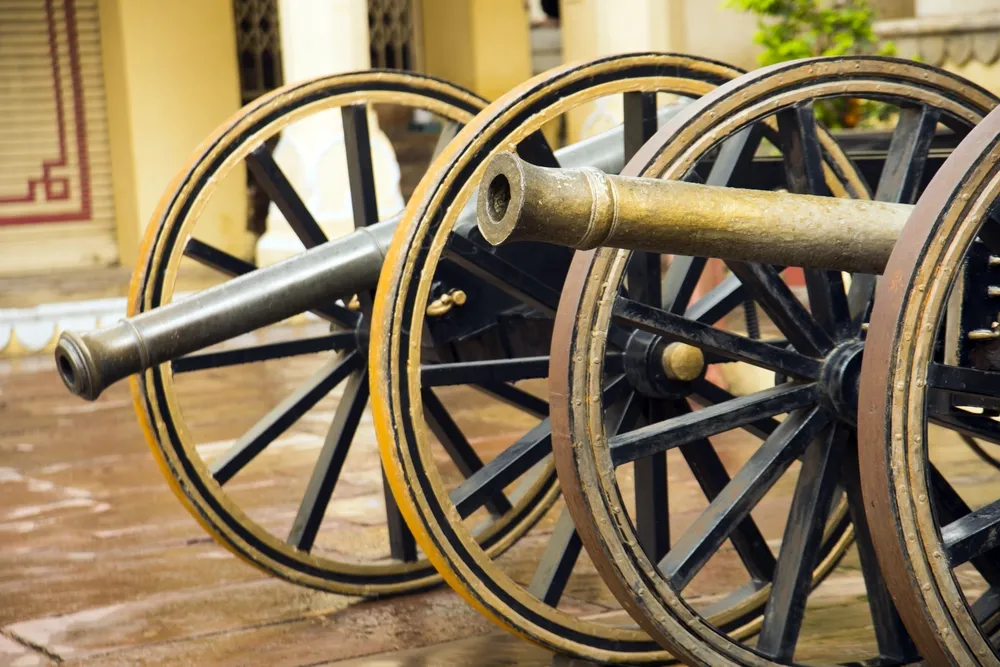
Ramadan cultural practices in the UAE show deep connections to the country’s social values. The Ramadan cannon tradition announces iftar time through its ongoing custom, which originated as a time signal but evolved into a cultural practice. The tradition requires open majlis gatherings, which allow neighbours, travellers and even strangers to visit and share meals, so if you are planning to visit this might be the best time.
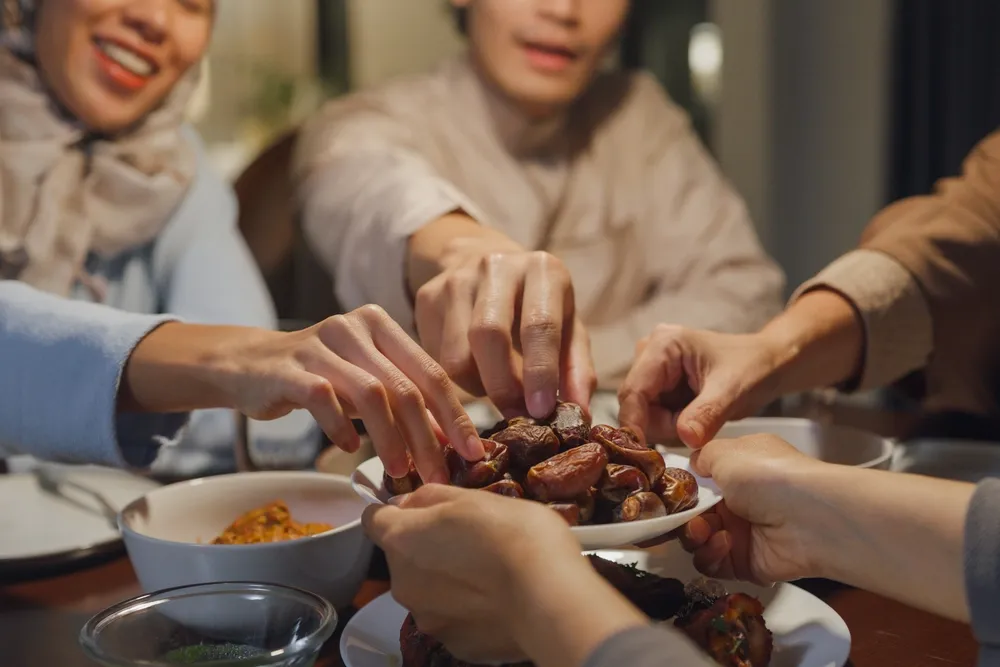
Sudan stands out for its Ramadan traditions, because of its remarkable street iftars. The neighbourhood establishes outdoor dining spaces, which allow both locals and visitors to join others for a communal fast-breaking experience. The social customs of Sudan during Ramadan dictate that people must accept all invitations because refusal to do so creates an impression of disrespect. (In pure ethical household energy, you have to eat till you can’t, and though it might feel forced, but it's the love behind that gets overlooked usually)
Yemeni families prepare iftar meals through the creation of shared large platters, which they eat together as a family, basically when one platter feeds many hearts. The gatherings focus on bringing people together instead of maintaining formal conventions because Ramadan meals serve as shared moments for all to gather, highlighting deeply personal unique Ramadan customs.
Waking the Faithful Before Dawn
The Mesaharaty serves as the most recognisable Ramadan character in Egypt. This man walks through the streets with a drum to wake people up for suhoor by calling their names. The tradition exists from ancient times up to modern times as a respected communal duty, which people still observe during Ramadan celebrations 2026.
Morocco uses the Nafar as a dawn caller who wears traditional clothing while walking through the streets to announce dawn through his horn playing and prayer chanting, and who could ask for a better alarm? The Nafars selected by them for their strong character and community respect function as spiritual leaders who maintain their holy month discipline as part of preserved Ramadan traditions.
Ramadan drummers visit Turkish neighbourhoods during pre-dawn hours to play their huge double-sided drums. People see this tradition as a cultural tradition which dates back to Ottoman-era times, instead of being a disturbance, and they show appreciation to the drummers with small tips and breakfast invitations, keeping these Ramadan traditions alive. If you can't travel to the country but still want a slice of the Turkey culture, Dubai is home to several iconic Turkish restaurants.
Ramadan Through Different Lens
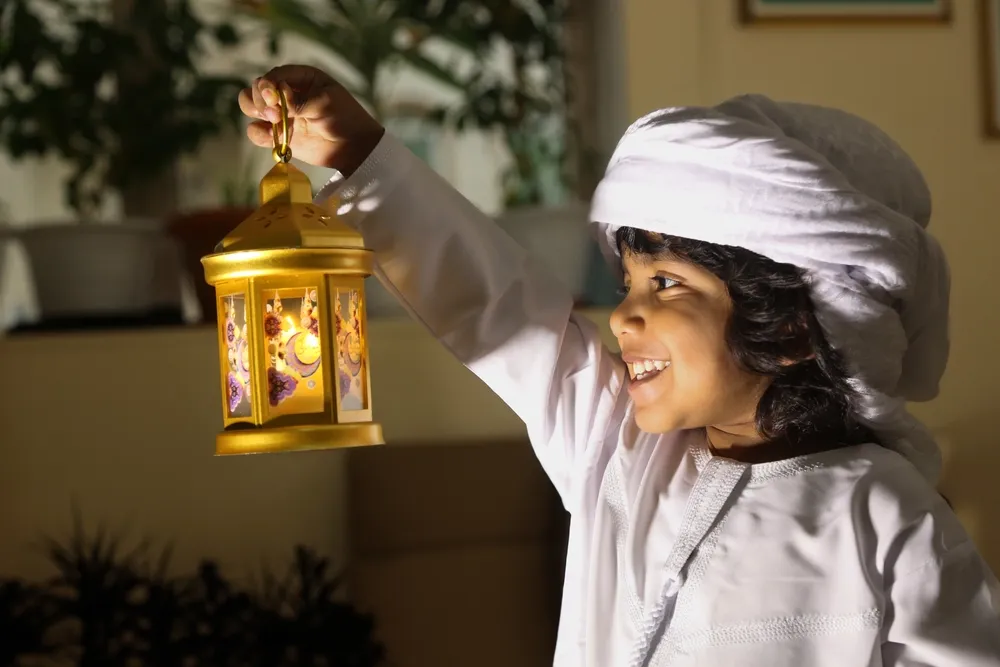
Kuwait celebrates Qarqia'an, a mid-Ramadan tradition where children dress in traditional attire and sing folk songs while collecting sweets. The custom appears festive to people, yet it functions as a learning tool which teaches children about giving, waiting and experiencing the happiness of fasting during Ramadan 2026. How beautiful it is where lessons are wrapped in candy and songs.
A famous Ramadan tradition on the list is the last night of Ramadan, known as Chaand Raat, which develops into a traditional celebration. The markets stay open during the night when henna stalls and Eid decorations fill the streets and families buy gifts. The social activities of the community have established Chaand Raat as an important cultural event. Something similar celebration also happens in India.
During the holy month in Bangladesh, Ramadan cultural practices include people being able to find certain foods which become available only once a year, basically the time when limited-edition snacks make their annual comeback. Street vendors display several snacks, and households make specific dishes which become festive food items for the holy month of Ramadan.
Games, Social Rituals, and Shared Evenings
Mheibes represents one of Iraq’s most distinct Ramadan customs because it serves as a fun activity that people do after breaking their fast. Two large teams compete to guess who is hiding a ring, relying on intuition and observation. The game helps people build social connections, which have been passed down to future generations as part of unique Ramadan customs.
Algerian families share their Ramadan meals through a system which assigns different families to host iftar dinner meals. The informal system provides equal treatment to all community members while it helps residents who are elderly or who live alone, strengthening community-centered ramadan traditions.
Tunisia experiences major changes in daily life during Ramadan. Here, evenings take centre stage, and the nights transform into lively social events because cafes and public spaces begin operating after sunset. The cultural practice of fasting leads people to spend their evenings networking instead of working during daylight hours, a hallmark of modern Ramadan celebrations 2026.
Spiritual Preparation and Symbolic Cleansing
The Padusan ritual performed by Indonesians requires participants to bathe in natural springs or rivers before they begin their Ramadan purification process. The Padusan tradition, which comes from Javanese culture, indicates that people have achieved both body and soul readiness for the upcoming month, preserving ancient Ramadan traditions.
The Ramadan bazaars in Malaysia create a lively atmosphere which brings out huge crowds for the duration of Ramadan. The temporary markets sell Ramadan-specific dishes, which people can only access during Ramadan because they remain unavailable throughout the rest of the year, reflecting evolving Ramadan traditions around the world.
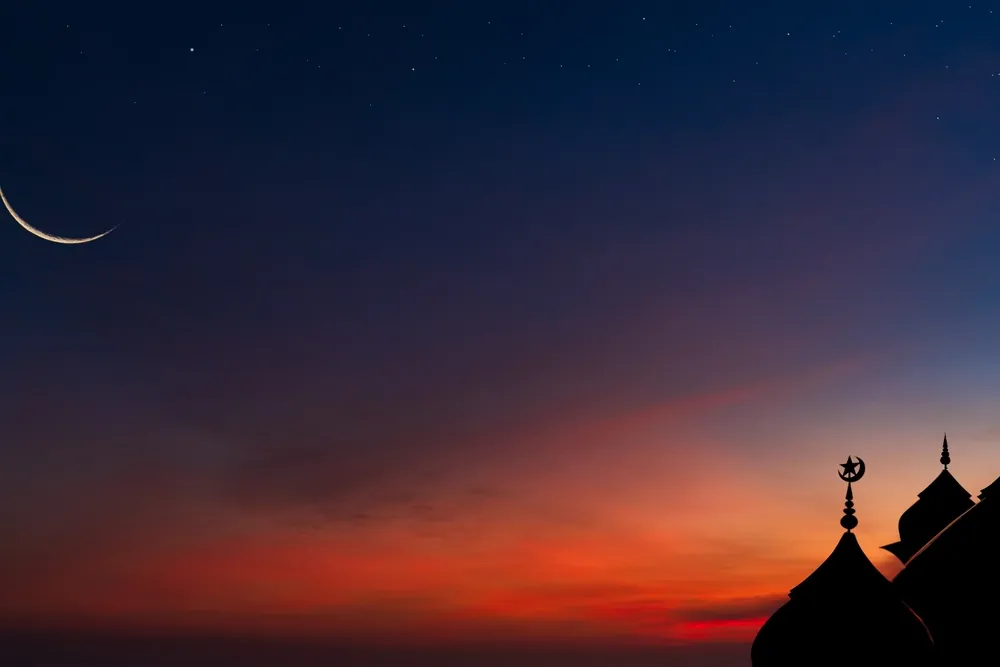
All mosques in the country start their lights at iftar time to show people when they should begin their fasting, light replaces announcements, and everyone understands. This silent yet strong custom brings people together through its common rhythm and religious connection, reinforcing shared Ramadan cultural practices.
Why These Traditions Matter?
The customs show that Ramadan exists as multiple cultural traditions instead of one single cultural practice. The worldwide Muslim community observes fasting as their common bond during Ramadan, yet local customs define the month by determining the specific ways they practice their religion through enduring Ramadan traditions.
Beno provides travel solutions for Ramadan celebrations 2026, which help people move between the UAE during Ramadan, making it easier to observe traditions without disruption.
FAQs
Ramadan 2026 in the UAE is expected to begin on Thursday, 19 February 2026, subject to official moon sighting.
- Is Ramadan celebrated the same way everywhere?
The answer is no. The practice of fasting and prayer exists in all communities and countries, but cultural traditions show extensive differences between various groups, demonstrating Ramadan traditions around the world.
- Are Ramadan customs religious or cultural?
The majority of customs contain elements from both spheres. Some traditions originate from religious beliefs, while other customs developed through the history and social practices of different communities.
- Can non-Muslims participate in Ramadan traditions?
In many countries, non-Muslims are welcome to attend iftars often invited, cultural events, and community gatherings respectfully.
- Does Ramadan change daily life significantly?
The answer is yes. Society changes all its activities during Ramadan to match fasting times and the midnight social events that occur after sunset.






 Or drop us a mail at help@beno.com